



Welcome to the Era of Personal Commerce- Let’s Get You Started
Marketing has changed over time as buyers are more informed and selective about advertising. Traditional personalization methods are no longer effective and brands need to have the same level of knowledge as their customers to succeed. This requires a shift to personal commerce, which can improve a brand’s image and appeal to customers.
To kick things off, let’s take a dive into the past to uncover how personal commerce started bridging the gap between traditional brick and mortar stores and the eccomerce landscape we see today.
Let me take you back to 1994
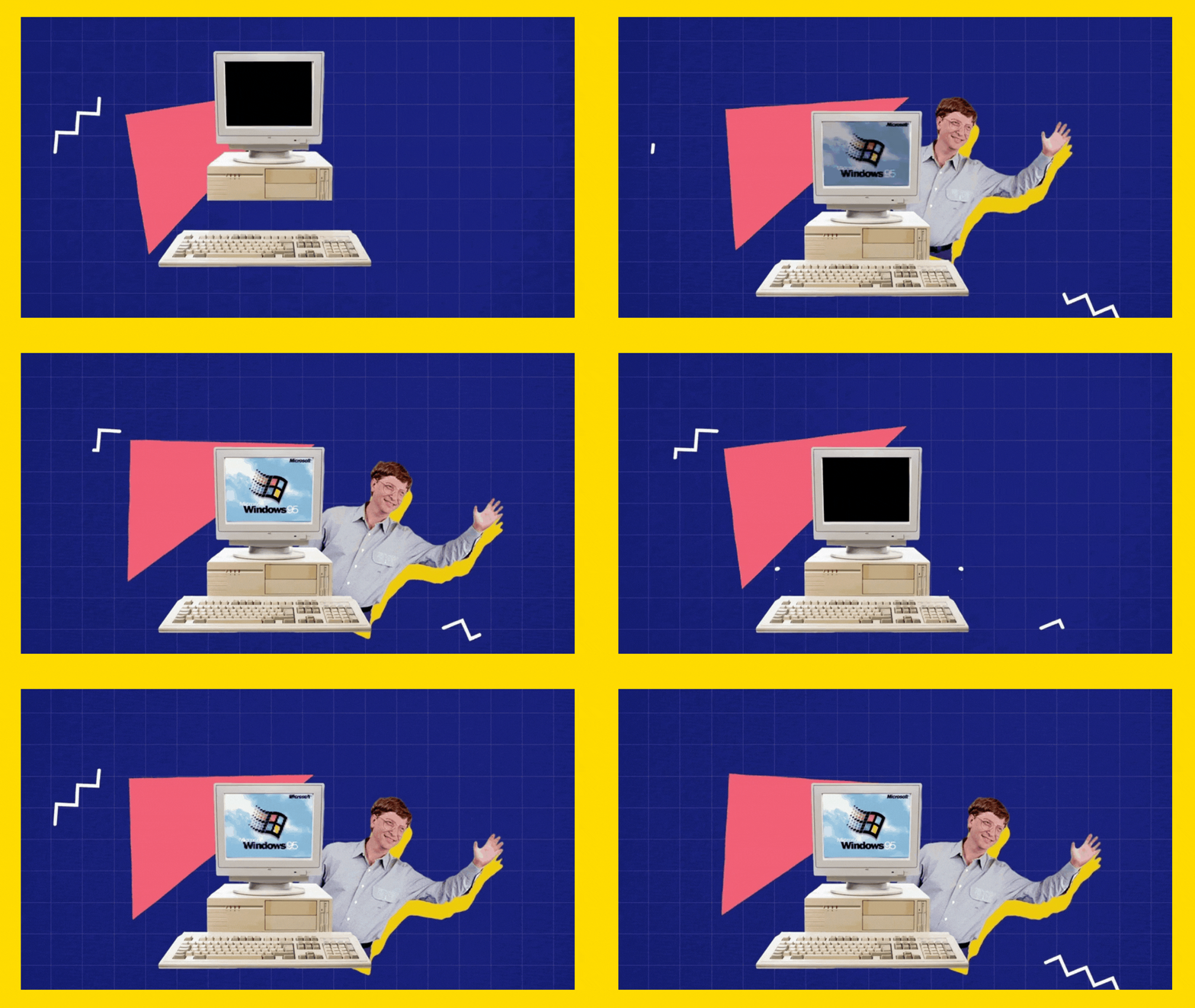
Bill Clinton was beginning his second year as President of the United States, Tonya Harding gained notoriety at the Winter Olympics and Sony released the first Playstation in Japan. Believe it or not, CDs were a new innovation in music and Windows 95 was in beta.
But there was a major shakeup coming in the world of commerce. 1994 was the year when Dan Kohn, a young entrepreneur, sold a Sting album to a friend in Philadelphia for $15, marking the first recorded online transaction.
Fast-forward to 2023
Sting might look the same, but the world of ecommerce has changed incredibly with the acceleration of data and technology. We’re way beyond CDs and Windows 95.
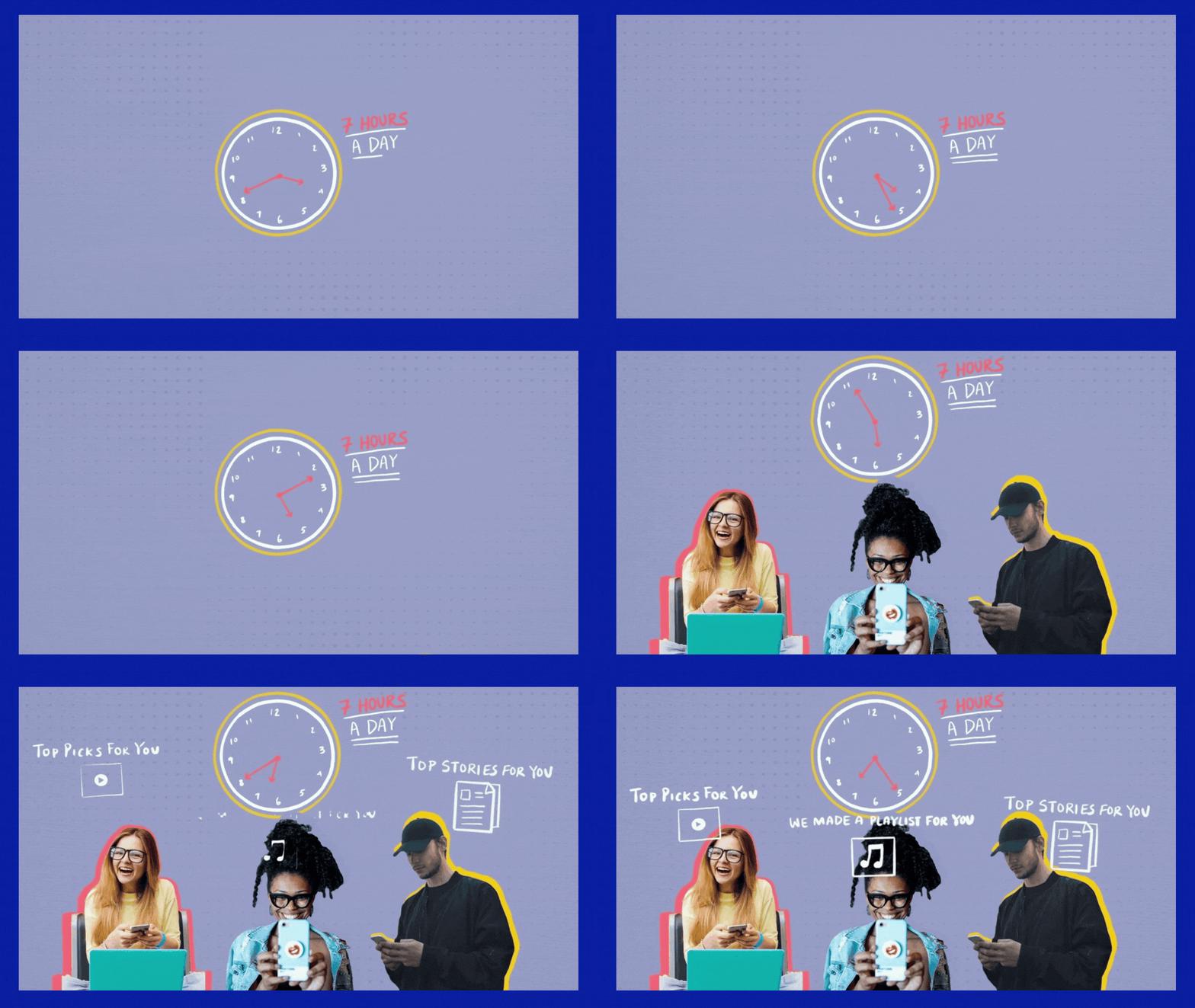
Now, people spend almost 8 hours a day online surrounded by the most convenient, tailored digital experiences based on their affinities and preferences. Yet ecommerce only represents a fraction of that time, and only 15% of retail revenue at the beginning of 2020. With companies like Spotify and Netflix providing tailored digital experiences that are unique to each person, shoppers have come to expect something beyond what the traditional, transactional commerce can provide.
Enter personal commerce
Personal commerce begins a new era of retail that promises to meet the shopper exactly where they are and when they are in their preferred modality. Their digital retail experiences change with their context, preferences and communication style. With personal commerce, shoppers engage in real-time with benefits and opportunities designed to make them feel connected to your brand.
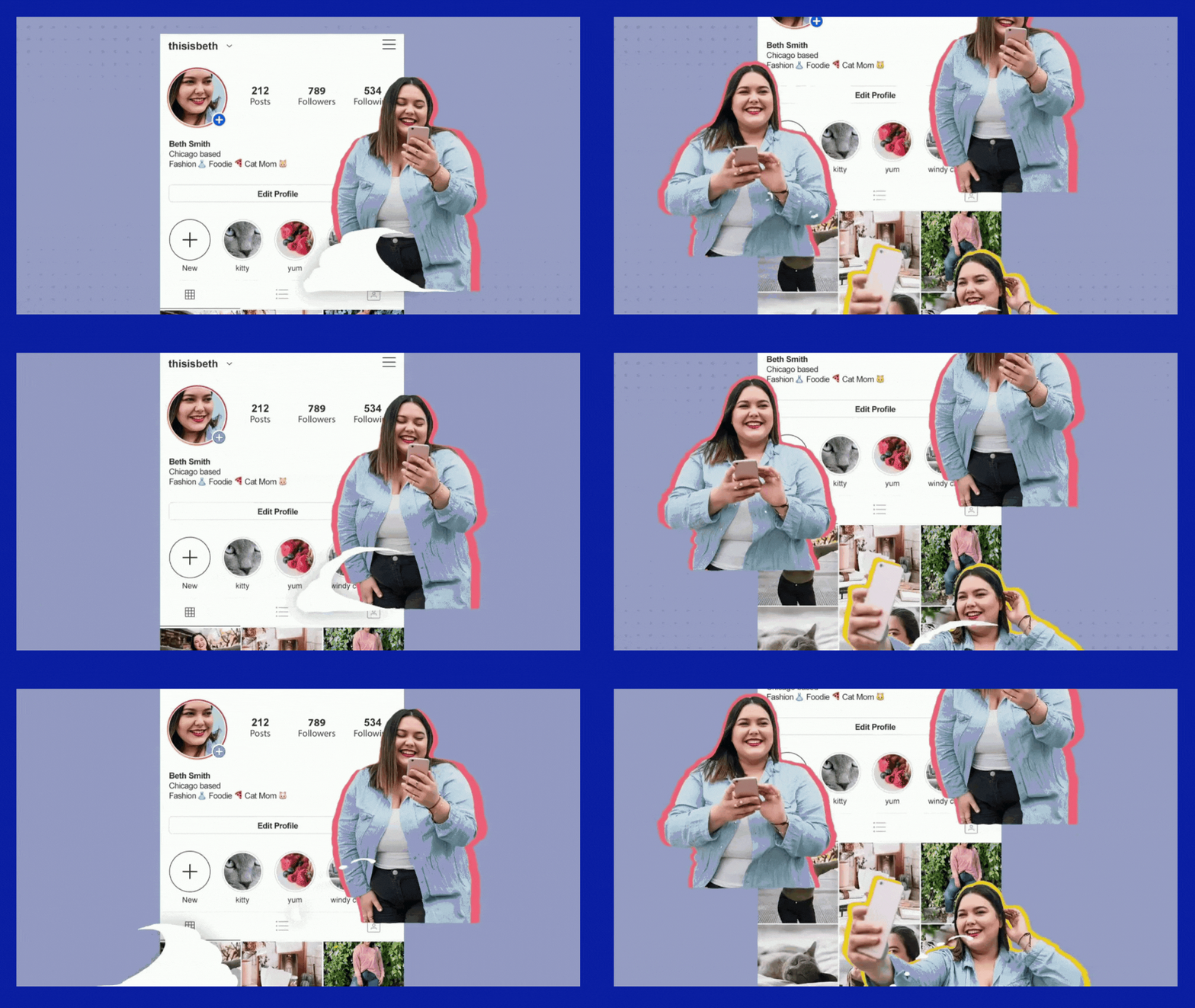
Take Beth, for example
Beth lives in Chicago. If you’ve been to Chicago anytime from September through April, you know that it gets cold. So thermal leggings are a must-have for Beth every year when she senses the seasonal shift. Fit, material and comfort are key for Beth because she layers these leggings under her winter clothes. Beth is a 2XL and prefers cropped leggings so they don’t show under her pants or skirts. Because every year there are innovations in fabric, sizing and availability, Beth does some research. She usually shares her favorite finds with her sister and friends.
Beth last year
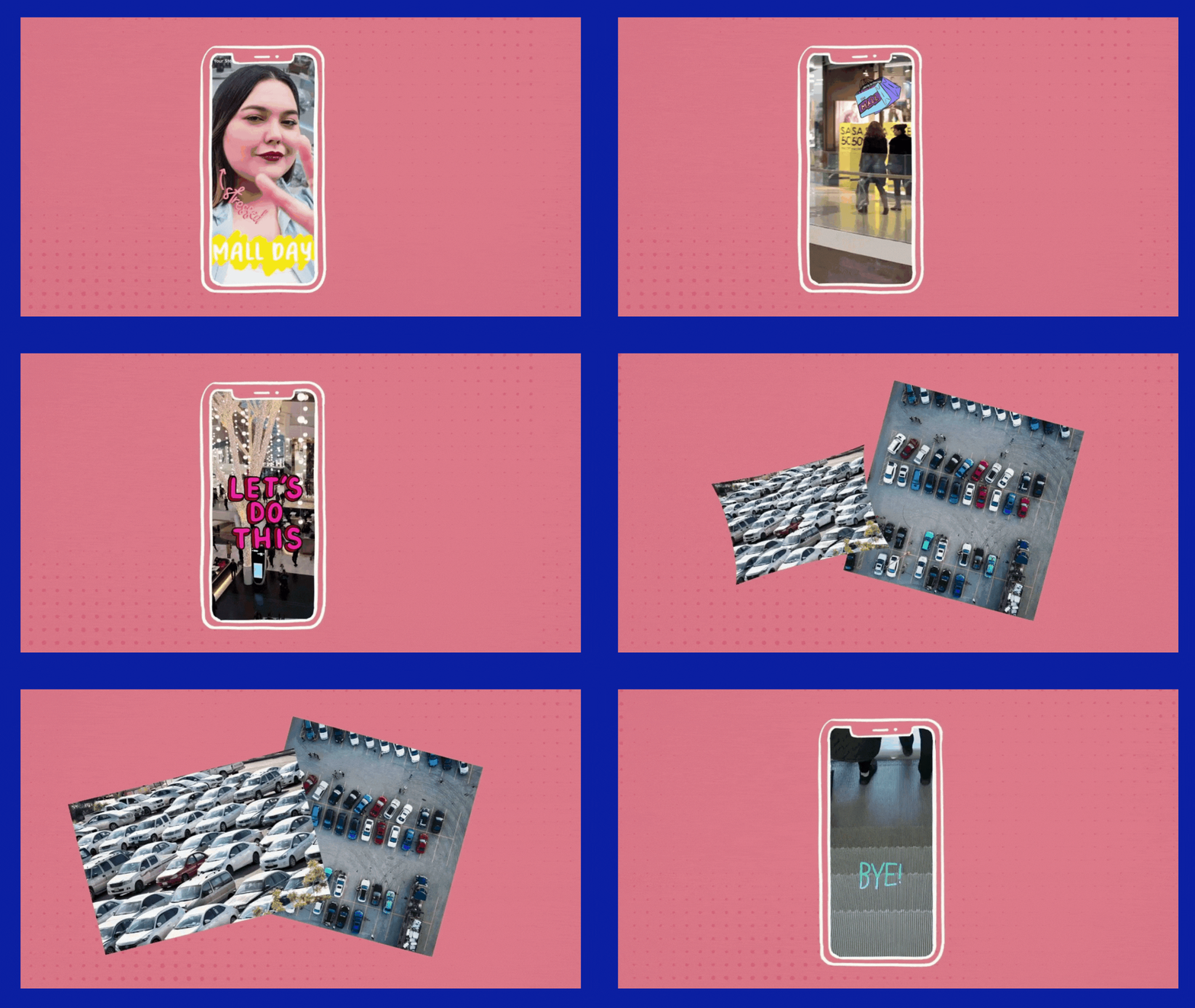
Last year, Beth headed to the mall. She found a parking spot and began looking from store to store for her thermal leggings. She asked store associates for what’s new and available in her size, which can be hard to find. She went from store to store trying different options and kept a mental log of her favorites. Beth ended up getting her third option because her first two preferences were out of stock or weren’t in her size, and it turned out her $10 mail offer didn’t apply to her purchase. A few weeks later, Beth got an email to review the leggings she bought with a discount code for referrals. That is the last meaningful communication Beth received. She unsubscribed from emails and ads after more prompts for a review and random offers.
Beth this year
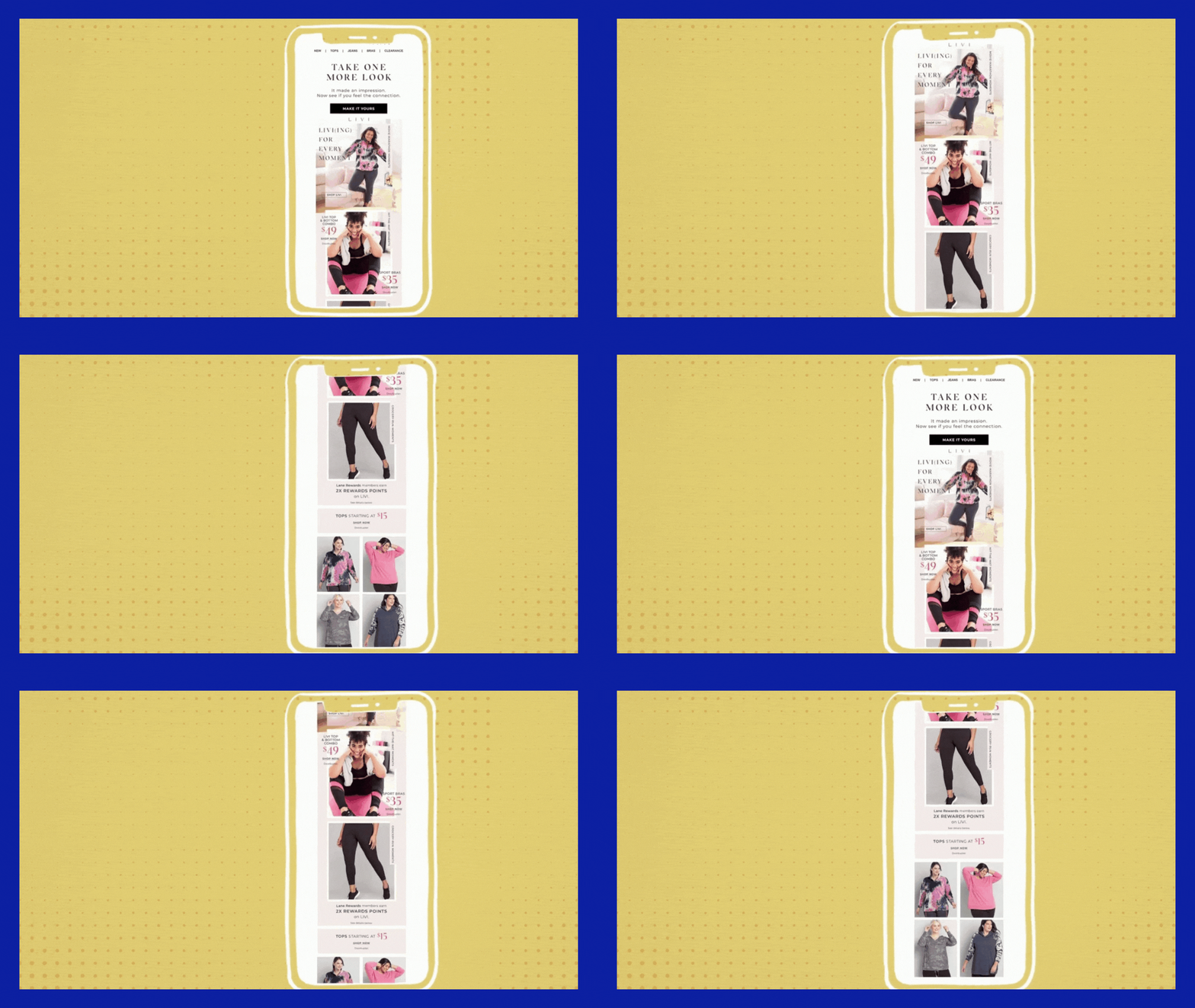
This year, Beth doesn’t feel like going to the mall, so she searches, “best plus size leggings” online and opens multiple tabs for leggings that have a minimum 4 star rating. Beth is surprised by the available selection and range of styles and loves the added benefit of features like fabric close-ups, inclusive sizing options and ratings. She texts her sister her favorite three options, but decides to think it over for the night.
When Beth wakes up the next morning, she sees she has an email on her phone that includes a reminder about a few of the options she was browsing yesterday, along with some recommendations for matching tops. Beth buys the leggings, a matching top and a soft robe. She also signs up as a Rewards Member to get free shipping. About a week after her purchase, she gets an email asking for reviews of her items as well as a give $10, get $10 referral code, which she texts to her friends group chat. Within a day, one of her friends makes a purchase and Beth gets a $10 reward code in her inbox along with some suggested products, including a “complete the look” set of recommendations. Beth makes a wish list, becomes a rewards member and completes another purchase.
Beth had two very different shopping experiences year to year
In these two examples, the same shopper intent resulted in two very different outcomes. In the first example, when she was shopping at the mall, Beth’s experience is linear and transactional. She has limited options, has to do a lot of leg work to find what she is looking for and has little opportunity to discover, share, explore and buy other products. In the second example, when she was shopping online, Beth’s experience is fluid and very personal. She is surrounded by a guided experience that accommodates her preferences and interests. By making it easier and more compelling to buy, Beth buys more and helps others in her circle buy as well.
Key transformations from transactional commerce to personal commerce
Moving toward personal commerce requires a radical shift in both thought and practice. While reconstructing your approach isn’t always easy, adjusting your intent to stay relevant with shopper experiences can lead to enormous revenue gains. These five transformations from transactional commerce to personal commerce will help you on the path to delivering personal commerce experiences.
1. Customer data to product data
Personal commerce does not neglect product data. One of the most important segments of data in your repository is your product catalog, yet it is often not included in personalization strategies. By combining this key data set with your customer data, you can elevate your ecommerce personalization efforts. Beth isn’t just a female in Chicago. Beth is a female in Chicago searching for a specific style, size and cut of leggings. Without this data integrated into your marketing strategy, you’re locking yourself out of lifetime value and future purchases. You need a unified retail data structure in place to capture the full view.
2. Store to digital
To state the obvious, shoppers were not going into stores in 2020 as often as they would any year prior. Between March and April, ecommerce sales doubled. Traditional Chain Stores saw first-time buyers increasing up to 119%, indicating a large number of shoppers trying brands for the first time. And through the recent holidays, many retailers that were historically physical-first, like Lane Bryant, drove as much as 80% of all their transactions through ecommerce.
However, the events of 2020 only accelerated what was already inevitable for the future of retail – the move to digital. And it’s here to stay. A report from 451 Research shows that 80% of shoppers will end up moving to digital for their shopping experiences. So with life happening online, retailers must move their experiences and focus on digital as a primary function.
3. Acquisition to retention
The one-and-done problem is the first symptom of transactional commerce, and it’s not a problem unique to storefronts. Of the shoppers who bought from brands for the first time at the height of the pandemic, an average of only 5% bought again. That’s not good. If you focus on net new customers rather than channeling your personalization efforts to build lifetime value with existing customers for repeat purchases, you’ll lose out. Without repeat purchase, brands experience diminishing returns that are hard to recover from. Repeat purchases are critical to growing in retail and driving profitability. Building outreach strategies toward the lost 95% will help you regain that momentum and drive revenue.
4.Uncoordinated to immediate
The first place to reevaluate your current approach to marketing is with your tech stack. Uncoordinated technologies don’t have the agility to keep up with today’s digital shoppers. We’re not just talking about speed – we’re talking product recommendations, consistency and fluidity – at the exact moment your shopper needs them and is ready to receive them. By ensuring that your tech stack is in harmony and that data has the ability to move in real-time to keep up with the speed, context and location of your shoppers across platforms and sites, you can stay ahead of the curve and save time with a unified system that coordinates in real-time across channels.
5. Static to technology to intelligent technology
Transactional commerce uses technology that requires minute manual adjustments to achieve results based on volumes of data that your marketing team has to stitch together and interpret. Intelligent technology reads implicit and explicit signals from your customers and tailors personalized digital experience over-time to their interests and needs. Personal commerce is supported by technology that can predict a shopper’s actions based on their affinities, can optimize send time, frequency and message prioritization and can generate 1:1 predictive recommendations to improve conversion.
6. Single-channel marketing to cross-channel marketing
This issue with marketing on a singular channel is that it does not meet users where they are, in turn, missing out on multiple transactions and sales. With cross-channel marketing, you have the ability to deliver a consistent brand experience for shoppers across multiple channels. Large database sets create personalized campaigns that engage with customers where they already are. Some of these include email, social media, online storefronts, and targeted ads. There is a plethora of benefits for cross-channel marketing that can be accessed with a strong strategy and this is all conducive to having a set of clear goals.
7. Physical advertising to mobile apps
Remember the days when banners and mailers were the only way you could advertise to shoppers? Those days are long gone and with good reason. With mobile technology, marketers now have the power to put their brands directly in their audiences’ hands. It’s so simple that shoppers can now get text updates about their favorite brands. Ensuring your mobile marketing strategy is strong will ultimately drive incremental revenue and increase conversion rates.
How to improve your personal commerce strategy
Improving a personal commerce strategy involves a careful analysis of your business goals and identifying areas of improvement. Refining your personal commerce strategy will better connect you with your customers, drive growth and increase revenue.
Let’s take a look at some of the techniques you can implement to improve your personal commerce strategy.
Analyze your users
Start by reviewing your audience and identifying their needs and preferences. Which messages resonate with which audience? Which channels work the best? With the right retail marketing platform, you can start to gather this information and create a solid personalization plan that will not only segment shoppers into appropriate audiences but will also provide unique recommendations based on past behavior and predicted interests.
Assess your products and services
Ensuring that your products and services align with your target audience’s interests is the key to success. Once you have a clear understanding of your target evaluate the quality, pricing, and packaging of your products and services, and make necessary adjustments to better meet your customers’ needs.
Analyze your marketing strategies
Marketing strategies play a crucial role in driving traffic and sales to your business. Analyze your current marketing strategies, including social media, email marketing, and advertising, to identify areas of improvement. Consider factors such as the frequency and timing of your posts, the quality of your visuals and content, and the platforms you use to reach your audience. Identify opportunities to optimize your outreach and better connect with your customers. Using powerful personalized product recommendations can enhance your marketing efforts by tying interaction history and marketing together.
Track your sales metrics
It’s essential to track your sales metrics to assess the effectiveness of your personal commerce strategy. Monitoring your website traffic, conversion rates, and customer feedback to evaluate your strategy’s performance will give you insight into what is and is not working. Using data analytics tools to track these metrics will help you make informed decisions about your strategy’s future direction.
Creating a true personal commerce experience
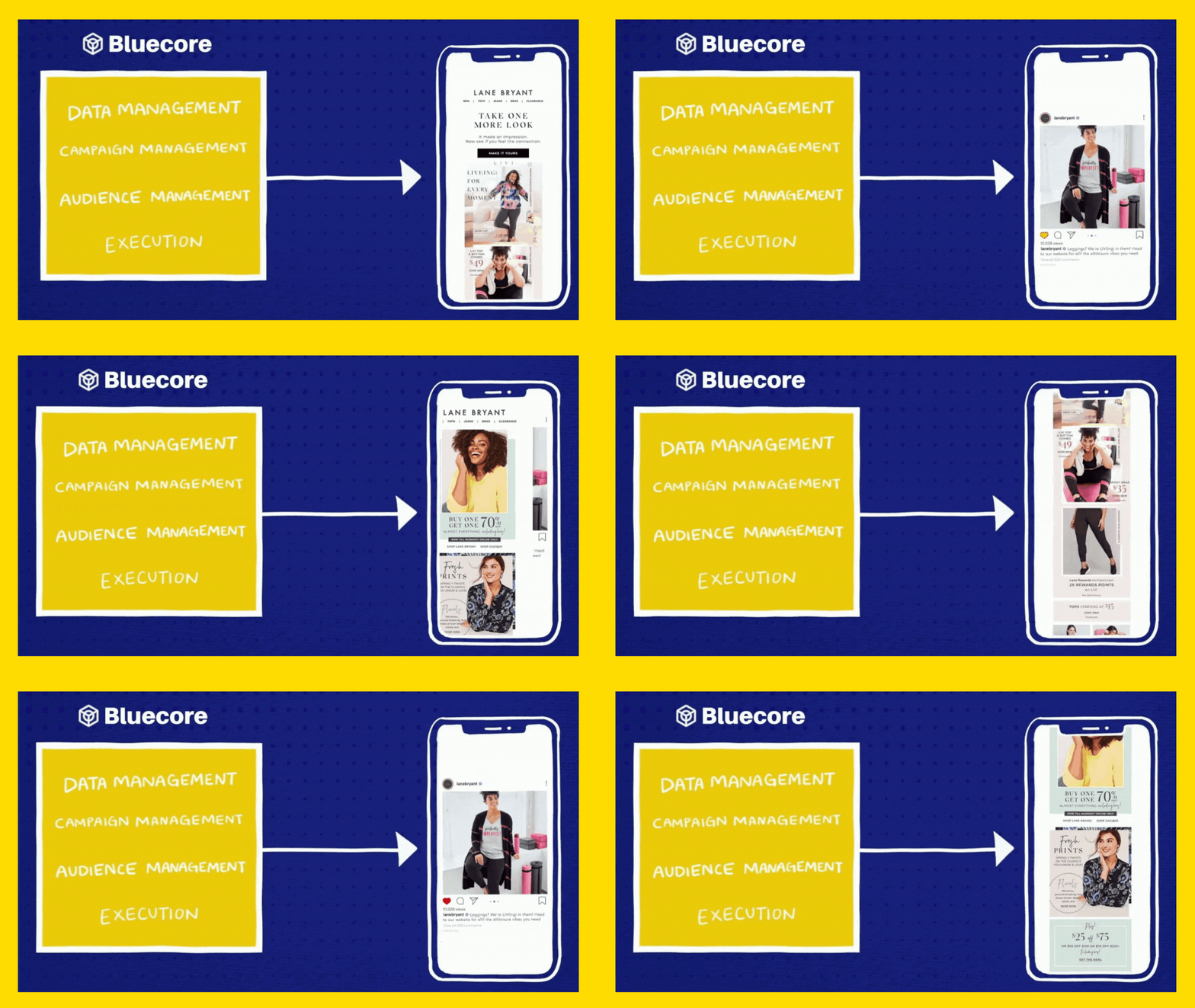
Each of these transformations combined support a new and exciting digital experience for your shoppers in every stage of the buying process. Rather than primarily focusing on driving a static, store-driven first purchase and relying purely on a one-time transaction, you can enhance your product and build a living, breathing personal story around it to make every digital interaction engaging, personal and fresh. With each interaction, you apply a personalized touch to each stage of the buying process and lead your shoppers to keep coming back. By focusing your marketing strategies toward digital discovery, evaluation, purchase, and post-purchase engagement, you’ll stay ahead of the consolidation curve and thrive. And this isn’t just for your shoppers. When you have the agility, personalization and intelligence integrated into your marketing outreach efforts you’ll always be on top of insights and actions to make you and your team amazing.
Retailers whose focus remains purely on the transaction will quickly be overcome by retailers who take the path of personal commerce. Don’t lose your Beths to one transaction that didn’t satisfy their product needs and interests. By transforming your marketing strategy from transactional commerce to personal commerce, you can build lifelong relationships with your shoppers and enter the new era of retail.
Don’t just take our word for it.
To hear about the power of personal commerce in action, watch our broadcast, Beyond Transactional Commerce: Driving Profitability in a Digitally-Dominant World. Hear from Eric Gohs, VP of Performance Marketing + Credit + Loyalty at Ascena Retail Group about Lane Bryant’s success with personal commerce.