




Yahoo’s Global Storage Changes: What It Means For Your Email Program
In the email world, spring cleaning season is upon us. On August 27, 2025, Yahoo announced a reduction in mailbox storage from 1 TB down to 20 GB in North America, and is now expanding these changes to the United Kingdom and European Union starting May 5, 2026.
What’s Changing
Yahoo is reducing mailbox storage limits for UK and EU accounts from 1 TB to 15 GB. North American & Canadian accounts will not be affected and will remain at 20 GB of free storage.
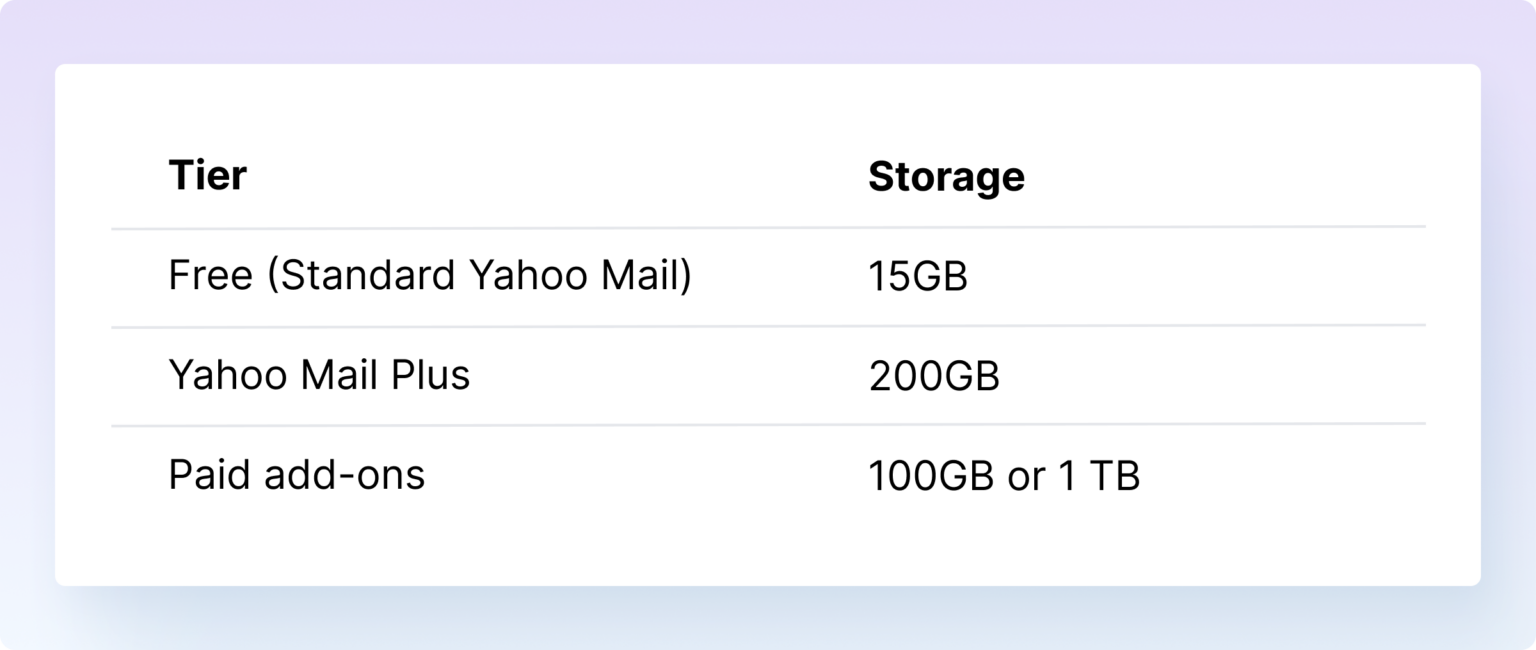
That shift will accelerate a familiar problem: more full inboxes and more bounces for those who frequently mail to their entire database.
What This Actually Means for Deliverability
More soft bounces – you will see a spike in Yahoo soft bounces after May 5, 2026 with a wave of “mailbox full” or “quota-issues.”
For retail marketers, this isn’t just a deliverability nuisance. It’s a signal:
- A good portion of your database may be unreachable or disengaged
- Retry logic alone won’t recover these contacts
- Continuing to send to these addresses can hurt sender reputation and suppress performance across your entire program
In short: this is another push from mailbox providers toward stricter list quality and engagement standards.
The Bigger Trend: Inbox Providers Are Raising the Bar
Yahoo’s move isn’t happening in isolation. Over the past few years, we’ve seen a clear pattern. Inbox providers have consistently prioritized:
- Active engagement over list size
- Inbox placement based on behavior, not volume
- Enforcement of policies that phase out inactive users
From Gmail’s inactive account policies to Yahoo’s storage limits, the direction is clear: mailbox providers are prioritizing engaged, permission-based email over volume.
What You Should Do Now
Yahoo has started notifying affected users ahead of the cutoff, but let’s be realistic: A mailbox that has accumulated anywhere near 1 TB of storage has likely been abandoned for years.
This isn’t about reacting to Yahoo, it’s about modernizing your approach to email as a revenue channel.
1. Segment Your Lists – the Marie Kondo way
If a contact no longer engages, it is time to let them go. Tighten your engagement criteria.
Stop relying on opens. Since Apple MPP, open rates have been inflated and no longer a reliable proxy for engagement. Focus on:
- Click behavior
- Purchase activity
- Site engagement
This ensures you’re targeting customers who are actually driving value.
2. Operationalize a sunset policy
Suppress addresses that haven’t engaged in 6-12 months and didn’t respond to your re-engagement campaign. Suppressing these users isn’t a loss, it’s protection:
- Improves deliverability
- Strengthens sender reputation
- Increases efficiency of every send
3. Invest in Re-Engagement Before You Remove
Before suppressing, deploy personalized win-back campaigns:
- Tailored offers based on past purchase behavior
- Category-specific messaging
- Incentives aligned to predicted value
But set a clear endpoint, don’t let inactive users linger indefinitely.
4. Continuously Prune Your Database
Inactive and full mailboxes don’t just sit idle, they can become recycled spam traps, creating real risk.
Ongoing list hygiene is essential to:
- Maintain inbox placement
- Keep your lists healthy
- Protect long-term channel performance
The Bottom Line
Yahoo’s storage changes are another signal that the inbox is becoming a permission-based, performance-driven environment.
For email marketers, success will come down to:
- Knowing who your customers are
- Engaging them based on real behavior
- Prioritizing quality over quantity
Because in today’s landscape, deliverability isn’t just about getting into the inbox—it’s about earning relevance into the inbox.