




Culture Is the Real Roadblock to AI-Enabled Media Orchestration
Why Agentic Orchestration Won’t Scale Until We Fix Our Thinking
AI Agents Will Orchestrate Media. Are Retailers Ready?
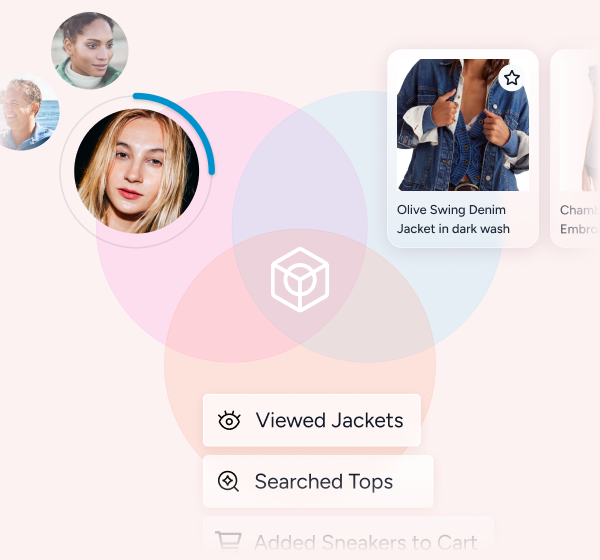
Retail marketing leaders are buzzing about the concept of agentic orchestration—and rightly so. Imagine AI agents seamlessly deciding who to message, when, how often, through which channel, and with what content, all personalized to each shopper in real time. This is not a pipe dream. This technology is on the horizon.
But here’s the inconvenient truth: The technology isn’t the problem. We are.
Peter Drucker famously said, “Culture eats strategy for breakfast.” In retail marketing, culture might soon devour AI-driven orchestration before it ever reaches the table.
Let’s unpack why.
What Agentic Orchestration Actually Requires
To understand why culture, not technology, is the biggest roadblock to agentic orchestration, we first need to understand how it works. True agentic orchestration requires seven real-time inputs firing in parallel:
- Shopper Propensity: Who’s likely to buy if we message them now?
- Message Relevance: What content will influence that decision?
- Promotion Sensitivity: Is a discount required—or not?
- Product Affinity: Which items matter to this shopper, and what’s next?
- Merchandise Awareness: Which items are in stock, gross margin, price?
- Channel Access: Where can we reach them—email, SMS, programmatic, social?
- Media Investment Logic: What’s it worth to reach them right now? And are we measuring sales, or contribution margin after COGS and Media?
Every one of these variables is time-sensitive. Shopper intent doesn’t wait. That means real-time activation is the starting line, not the finish.
And the technology? It’s catching up quickly. Martech vendors are racing toward systems that can unify these signals and act on them instantly. So if the components are falling into place, what’s really getting in the way?
The Real Bottleneck: Measurement Culture
We don’t have an optimization variable. Or rather—we do, but it’s the wrong one. The dominant mindset in retail marketing and finance is last-click attribution. That model made sense when campaigns were siloed, channels were managed manually, and touchpoints were countable. But agentic orchestration liberates us from the channel-first worldview.
So why are we still measuring success using channel-first metrics? Because we have comps to beat? Is it because we have teams of people and credible leadership tied to these channels and metrics? Or, is it because we accept the limitations in favor of the simplicity of last-click?
To make AI media orchestration work, we must define a customer-centric optimization variable. Something like:
- Orders driven by messaging, not just clicks.
- Incremental revenue per customer.
- Customer lifetime value (CLV).
Without that shift, even the most intelligent agent will be forced to optimize toward a legacy KPI that undercuts its true potential. How many retail marketing leaders out there are already driving this evolution to customer-centric metrics as your media optimization compass?
To Capitalize on AI, We Need to Change the Way We Think
If we want to embrace AI-enabled retail marketing at scale, we need more than smart tech—we need to re-evaluate our channel-centric culture and put customer metrics at the center of our strategy. Until we rethink attribution, agentic orchestration will remain stalled by outdated metrics and legacy thinking. Let’s stop feeding our boldest strategies to a culture that refuses to evolve. Let’s rebuild the culture to match the ambition.